File Reader: Lectures on Poetry: Read in the Schools of Natural Philosophy at Oxford
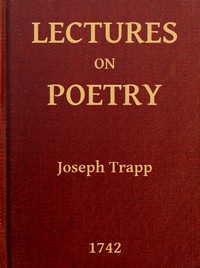
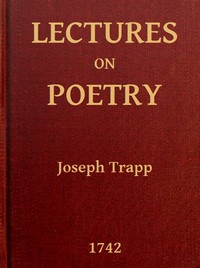
"Lectures on Poetry: Read in the Schools of Natural Philosophy at Oxford" by Joseph Trapp offers an insightful exploration of the intersection between poetry and philosophy. Through a series of lectures delivered at one of the world's foremost academic institutions, Trapp articulates the vital role that poetry plays in understanding human experience and emotion. His work is not merely an academic discourse; it is a rich examination of poetic form, content, and the philosophical underpinnings that inform literary creation.
The Story
The text consists of a collection of lectures that articulate Trapp's views on various poets and poetic traditions, including the classical to the contemporary. Each lecture critiques and celebrates the craft of poetry, addressing notable poets and their contributions to the literary canon. Trapp's analytical eye allows him to draw connections between poetic expressions and broader philosophical ideas, illustrating how poetry reflects and shapes the human condition.
Thematic threads include the relationship between emotion and intellect, the role of nature in shaping poetic thought, and the enduring influence of poetic language on philosophy. Trapp’s tone is both scholarly and accessible, making complex ideas digestible while inviting readers to engage with poetry on a deeper level.
Why You Should Read It
- Rich Academic Insight: Trapp's lectures provide a thorough understanding of poetry through the lens of natural philosophy.
- Historical Context: The book situates poetry within the intellectual traditions of its time, offering perspectives from the 18th century that remain relevant today.
- Engaging Analysis: Each lecture dissects various poets and styles, revealing interconnected themes that resonate with readers and writers alike.
- Philosophical Depth: Trapp explores the philosophical implications of poetic works, prompting readers to reflect on the nature of art and existence.
- Accessible Language: Despite its scholarly foundation, Trapp writes in a manner that is approachable, inviting both academic and general audiences.