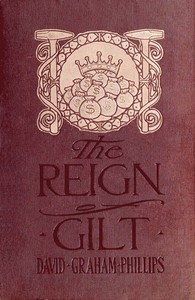
File Reader: The Reign of Gilt
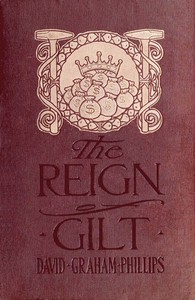
"The Reign of Gilt" by David Graham Phillips is a striking examination of the interplay between wealth, power, and morality in early 20th-century America. Set against the backdrop of a society grappling with rapid industrialization, the novel explores the lives of its characters as they navigate the complexities of ambition and ethical dilemmas. Phillips' incisive prose illuminates the darker corners of human desire and the consequences of unchecked greed.
The Story
The narrative centers on a wealthy industrialist whose fortunes rise amid the corruption of political and corporate landscapes. As his empire expands, he becomes entangled with various figures—both allies and adversaries—who represent the spectrum of moral choices available in a society driven by capitalism. The plot unfolds with tension and intrigue, exploring the consequences of ambition and the fragility of human relationships.
The characters are vividly drawn, embodying contrasting values that reflect the themes of social justice, the ethics of wealth, and the seductive lure of power. Phillips adopts a realistic tone that underscores the harsh realities of the era while allowing moments of introspection and moral questioning to emerge.
Why You Should Read It
- Historical Insight: The novel provides a thorough exploration of early 20th-century American society, capturing the nuances of its political and economic climate.
- Complex Characters: The protagonists and antagonists alike are multifaceted, offering a rich landscape of personalities that challenge conventional notions of good and evil.
- Social Commentary: Phillips effectively critiques the moral implications of wealth and the systemic corruption that often accompanies it.
- Engaging Prose: His writing style is both accessible and sophisticated, making the themes resonate powerfully without sacrificing narrative flow.
- Timely Relevance: The issues explored in the book remain pertinent today, prompting readers to reflect on similar societal challenges in modern contexts.